AI writing software is everywhere now, and that is exactly what makes choosing hard. Dozens of platforms promise faster drafts and better content, but they do not all do the same job.
The truth is that the best AI writing tool is not a single product. It is the one that matches how you work, what you write, and the results you need. This guide breaks the options down by use case so you can pick with confidence instead of guessing.
What an AI Writing Tool Actually Does
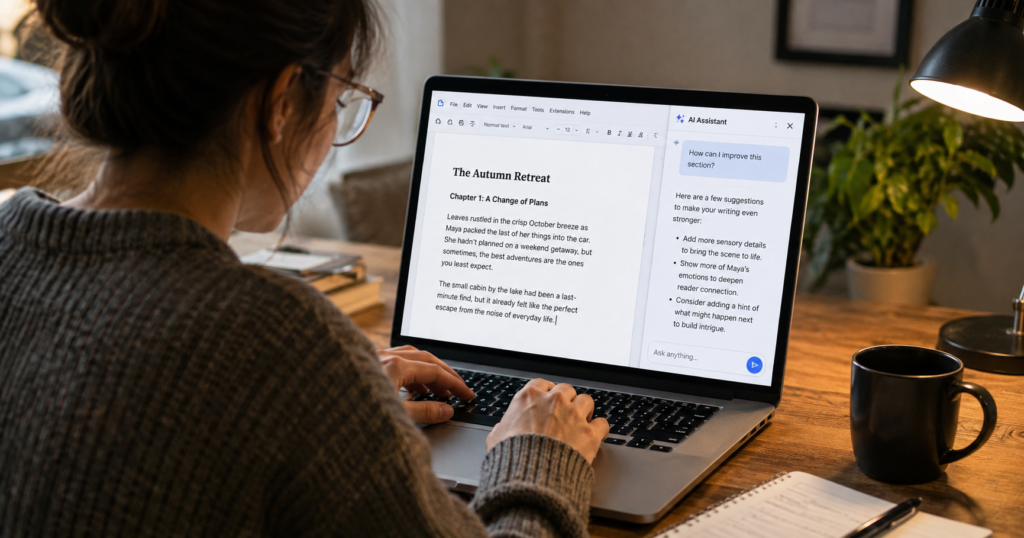
Most AI writing platforms are built on the same underlying language models, then add features on top. Before comparing names, it helps to know what these tools typically handle:
- Generating first drafts of blogs, emails, ads, and social posts.
- Rewriting or shortening existing text for a clearer tone.
- Brainstorming ideas, outlines, headlines, and angles.
- Checking grammar, clarity, and readability.
- Adapting content to a set brand voice or style.
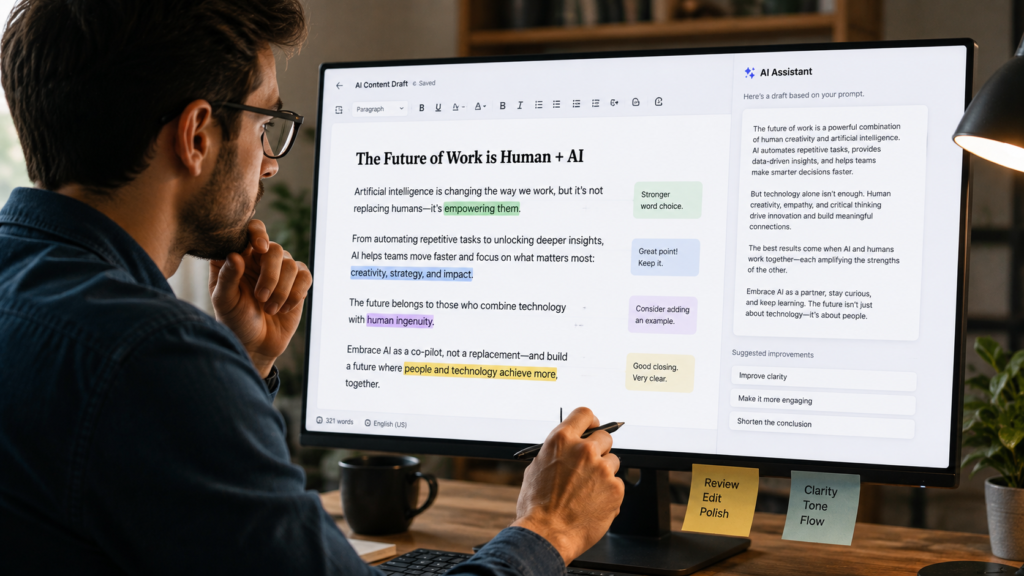
They speed up the work, but they do not replace your judgement. Facts, tone, and final polish still need a human review.
How to Find the Best AI Writing Tool for Your Needs
A tool that suits a novelist rarely suits a marketing team. Weigh each option against a few practical points:
- Main use case — long articles, ad copy, fiction, or quick edits.
- Output quality — drafts should need light editing, not a rewrite.
- Brand voice — can it learn and hold your style across pieces?
- Integrations — does it connect with the apps you already use?
- Budget — many strong tools have free or low-cost starter plans.
Best AI Writing Tool Options by Use Case
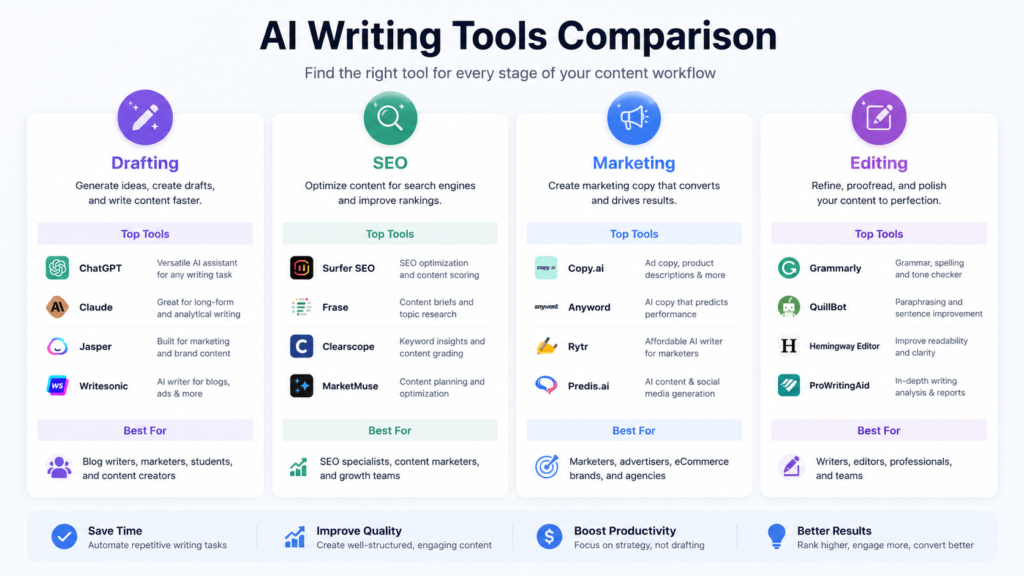
Instead of one ranking, match the tool to the job you do most.
General Writing and Drafting
For everyday drafting and idea work, broad assistants are usually enough. ChatGPT is a versatile all-rounder that handles research, structure, and quick drafts well, while Claude is widely praised for natural, long-form prose that reads closer to human writing.
- Best for: outlines, blog drafts, emails, and rewrites.
- Why start here: both offer capable free tiers to test first.
Marketing and Brand Content
Marketing teams that publish at volume often need brand consistency and templates. Jasper is built for this, with brand-voice features that keep output on-message across campaigns.
- Best for: teams producing lots of on-brand content.
- Trade-off: dedicated platforms usually cost more than base assistants.
If you are choosing across a wider stack, our guide to AI tools for marketers puts these writing platforms in the context of a full marketing toolkit.
AI Writing Tool for SEO
If ranking is the goal, look for an AI writing tool for SEO that scores drafts against what already ranks. Tools like Surfer SEO and Writesonic bring keyword guidance and content scoring into the writing process.
- Best for: content built to compete in search results.
- Remember: ranking is only half the battle — being seen matters too.
That last point is worth stressing, because ranking #1 does not always mean getting seen first, so SEO writing should focus on visibility, not just position.
Editing and Polishing
Not every tool needs to write from scratch. Grammarly focuses on catching errors and improving clarity, and works best alongside a drafting tool rather than replacing one.
- Best for: final proofing and tone checks on any content.
Creative and Fiction Writing
Fiction has different needs, like narrative flow and character consistency. Sudowrite is purpose-built for storytelling rather than marketing copy.
- Best for: novelists and creative writers.
Tips to Get Better Results
The tool matters less than how you use it. To get cleaner output:
- Give clear prompts with context, audience, and goal.
- Feed it accurate source notes instead of vague instructions.
- Always fact-check names, numbers, and claims.
- Edit for voice so the final piece sounds like you.
For bigger content programmes, pairing the right tool with experienced strategists — such as a specialist B2B marketing agency — often delivers better results than software alone.
Final Thoughts
There is no universal winner. The best AI writing tool is the one that fits your goal — a versatile assistant for general drafting, a brand-focused platform for marketing, an SEO-driven writer for search, or a specialist tool for fiction. Test a couple of free plans, keep a human in the loop, and choose the one that saves time without lowering quality.
Frequently Asked Questions
What is the best AI writing tool for beginners?
A general assistant like ChatGPT or Claude is the easiest place to start. Both are simple to use, cover most writing needs, and offer free tiers so you can test before paying.
Is there an AI writing tool for SEO content?
Yes. Tools such as Surfer SEO and Writesonic add keyword guidance and content scoring, helping you shape drafts around what already ranks in search.
Can an AI writing tool replace human writers?
No. These tools speed up drafting and editing, but strategy, accuracy, brand voice, and creative judgement still need people. They work best as a support, not a substitute.
Are free AI writing tools good enough?
For many users, yes. Free plans from the major assistants handle drafting and rewriting well. Paid tools mainly add brand controls, SEO features, or higher usage limits.